Red Hot Chili Vector Illustration Review: A Bold Choice for Embroidery Projects
When I first opened the Red Hot Chili Vector Illustration files, I was immediately struck by its visual energy. The design radiates a playful yet edgy vibe that’s perfect for standout embroidery projects. With its stylized, fully editable vector format, it offers flexibility in color and scale, making it an appealing option for crafters and small business owners who want to maintain control over their creative output. But as any seasoned embroiderer knows, just because a design looks good on screen doesn’t mean it’ll stitch well in real life. Here’s my hands-on evaluation of how this illustration holds up when applied to actual handmade and commercial embroidery work.
First Impressions: Mood, Theme, and Layout
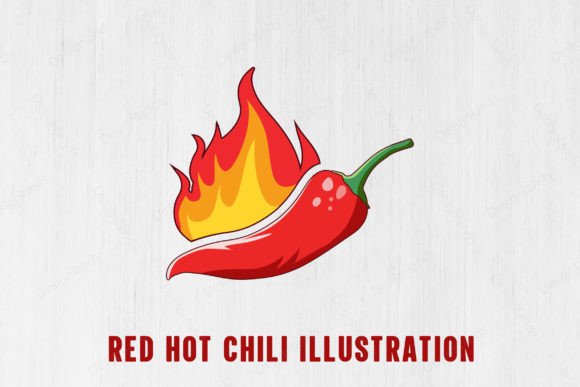
The Red Hot Chili Vector Illustration features a bold, simplified chili shape with sharp angles and vibrant colors. It’s not your typical floral or whimsical embroidery motif—it has attitude. The layout is balanced, with enough negative space to let the main subject pop without overwhelming the eye. This makes it versatile for both large-scale apparel embroidery and smaller items like embroidered patches or sweatshirt accents.
Its visual personality leans toward modern and fun, which could appeal to younger audiences or niche markets like boutique shops and themed apparel lines. However, the strong contrast and angular elements might not fit every aesthetic. If you're going for something subtle or traditional, this design may be too much. But if you’re aiming to make a statement, it's got the potential to do just that.
What Kind of Project Does It Belong To?
This design naturally fits into custom apparel, especially sweatshirts and tote bags where a bit of character can go a long way. It also works well as an applique design for baby clothes or nursery decor—think onesies, bibs, or decorative pillows. For holiday gifts, particularly Father’s Day or New Year’s items, the red and green color palette can be festive when adjusted properly. And as an embroidered patch, it’s a solid candidate for adding flair to jackets, denim, or even leather accessories.
Real-Life Performance in Embroidery Projects
Let’s break down how the Red Hot Chili Vector Illustration performs across different applications:
- Custom Apparel: The design scales well for sweatshirts and t-shirts, especially when placed centrally. Its clean lines help it stand out against common garment fabrics. As a satin-stitched outline with fill inside, it maintains clarity even at larger sizes.
- Tote Bags: On cotton canvas or linen blends, the chili looks great. The key is ensuring sufficient stitch density and using a stabilizer to prevent distortion during the stitching process.
- Baby Clothes & Nursery Decor: The design can be softened by adjusting colors (e.g., pastel pinks and greens) and simplifying some details. It adds a touch of sass to otherwise innocent baby items, which can be a nice balance for trendy parents.
- Patches and Caps: When converted to a running stitch or sparse fill pattern, the chili becomes more suitable for patches and curved surfaces like caps. However, the fine inner details may disappear unless stitched with precision and proper tension.
- Aprons and Pillow Covers: These are excellent candidates for the design. The flat, stable fabric allows for rich stitching, and the bold theme complements kitchenware and home décor aesthetics.
- Digital Product Previews: As an embroidery file, it’s great for printable mockups and digital previews. The EPS and SVG formats allow for high-quality rendering in online listings, helping buyers visualize how it’ll look on finished products.
- Commercial Use: While the design isn’t explicitly labeled for commercial use, many freebie graphics can be used for small business merchandise with proper licensing. Always double-check before selling final products or digital assets.
Visual Appeal and Customer Reaction
The Red Hot Chili Vector Illustration brings a lot of visual punch. It’s attention-grabbing and memorable, which is important for anything sold through Etsy or at craft fairs. Customers often gravitate toward designs that feel unique and expressive, and this one definitely checks those boxes.
However, the design’s effectiveness depends heavily on the context. A chili graphic might not resonate with all demographics. In a children’s line, it could come off as too spicy or adult-oriented. But in a men’s casual wear collection or a spice-themed shop, it’s a natural fit. Just be mindful of your audience and brand identity before committing to it.
Where Caution Is Needed
While the design is visually strong, there are certain situations where it needs careful handling:
- Small Hoop Sizes: The detailed areas of the chili can become lost or distorted if scaled down too much. Stick to medium or larger hoop sizes for better stitch definition.
- Textured or Stretchy Fabrics: Because of the intricate parts, avoid using it on stretchy materials like knits unless you adjust the stitch type and add extra stabilizer.
- Dark Fabric Backgrounds: The default color scheme may not show up well on black or navy bases. Consider changing thread colors or increasing contrast manually.
- Curved Surfaces: Embroidering onto a cap or other round item requires a design that adapts well. You may need to simplify the vector paths or convert to a more flexible stitch pattern.
- Products That Require Frequent Washing: Dense stitch areas can cause puckling or fading over time. Opt for lighter stitch types or reinforce with a washable stabilizer to maintain quality.
Stitch Clarity and Detail Handling
I noticed that the design includes some fine inner linework and corners that might require tweaking for optimal stitch clarity. While the vector nature allows for easy edits, converting these elements into running stitches or open fills can help prevent issues with dense stitch areas. Also, keep an eye on how the corners translate from vector to stitch path—they may need manual smoothing in your embroidery software to avoid jagged edges post-stitching.
Design Impact on Product Value and Branding
Using the Red Hot Chili Vector Illustration can significantly enhance the perceived value of your handmade product. It adds a layer of professionalism and originality, especially when paired with thoughtful color choices and placement. For Etsy sellers and small shop product creators, this kind of design helps establish a recognizable brand identity. It’s the kind of motif that customers can associate with your line, whether it's bold streetwear or quirky home goods.
From a giftability standpoint, the chili illustration stands out as a personalized gift option. Whether it's stitched onto a sweatshirt for a foodie friend or printed as part of a tea towel set for a housewarming present, it feels handcrafted and intentional. The versatility in formats—EPS, SVG, PNG, JPG—also makes it easy to include in packaging, social media, or marketing material, supporting brand consistency across platforms.
Practical Designer Notes
Before using the Red Hot Chili Vector Illustration in your next project, consider the following best practices:
- Test on Scrap Fabric: Always stitch a test sample before moving to the final piece. This helps catch any tension or stitch flow issues early.
- Check Thread Color Contrast: Especially if you plan to use it on dark backgrounds. Adjust thread shades in your editing software to ensure visibility.
- Review Stitch Density: Dense areas can lead to puckling or damage on thin fabrics. Try reducing stitch count slightly or switching to a looser stitch type.
- Confirm Hoop Size: Make sure your machine’s hoop is compatible with the size you plan to use. If not, scale appropriately and recheck stitch paths.
- Inspect Small Details: The finer linework may not stitch cleanly depending on your machine and settings. Consider simplifying or reinforcing those areas.
- Use Proper Stabilizer: For lightweight or stretchy fabrics, choose a stabilizer that supports the design without leaving residue or tearing easily.
- Test in Black and White: Sometimes, the color impact is misleading. Check how it appears in grayscale to ensure it still reads clearly.
- Compare Light and Dark Fabrics: How the design looks on white versus black can vary dramatically. Choose wisely based on your target market.
- Confirm Licensing: Since this falls under the Freebies category, always verify that it’s appropriate for commercial use before selling finished items or digital products.
Final Thoughts
The Red Hot Chili Vector Illustration is a powerful design element that can elevate your embroidery projects when used thoughtfully. It’s ideal for those looking to create a bold, modern statement on items like sweatshirts, aprons, or promotional gear. However, due to its detail-rich nature and strong visual presence, it’s not a one-size-fits-all solution. Careful planning around fabric choice, stitch type, and color contrast will ensure it looks its best in the finished product.
As a designer and reviewer, I recommend giving it a try—but don’t skip the prep work. Test it thoroughly, adapt it to your brand, and only commit after seeing how it behaves on your preferred materials. With the right approach, this machine embroidery design can become a signature piece in your craft business or handmade shop.